
Do Braces Hurt? How to Stop Braces Pain
Reviewed by Dr Mustafa, Specialist Orthodontist · PhD · GDC No. 105727
Getting braces can be exciting, but that first ache can quickly make you wonder, “Is this normal, and how long is it going to hurt?” Sore teeth, pressure when biting, or brackets rubbing against your cheeks are common after braces are fitted or adjusted.
The good news is that braces pain is usually temporary and there are simple ways to make it more comfortable. This guide explains why braces hurt, how long the discomfort usually lasts, and what you can do to relieve the pain while your mouth adjusts.
- Braces pain is normal and usually happens as your teeth adjust to gentle pressure.
- Soreness is generally temporary and improves within a few days after fitting or adjustments.
- Warm salt water, cold drinks, orthodontic wax, and suitable pain relief can help ease discomfort.
- Choose soft foods and smaller bites while your teeth feel tender, and chew slowly.
- Use a soft-bristled toothbrush and gentle movements to keep your teeth and braces clean without adding irritation.
- Some soreness after braces adjustments is expected and often becomes easier to manage as you get used to treatment.
- Severe, worsening, or persistent pain should be checked by your orthodontist, especially if a bracket or wire is damaged.
At Ocean Orthodontic Clinic in Leith, Edinburgh, we take a patient-focused approach to orthodontic treatment, helping you understand each stage of your journey, from getting your braces fitted to managing discomfort as your teeth move.
Led by Dr Mustafa, a specialist orthodontist with over 20 years of experience, our team focuses on precise, carefully planned treatment that puts your dental health and comfort first, helping you work towards a healthy, confident smile.
Why Do Braces Hurt?
Braces work by applying gentle, controlled pressure to your teeth to gradually move them into a new position. In some cases, orthodontists also use temporary anchorage devices (TADs) alongside braces to help guide tooth movement more precisely. This pressure can make your teeth feel tender, especially during the first few days of treatment or after an adjustment.
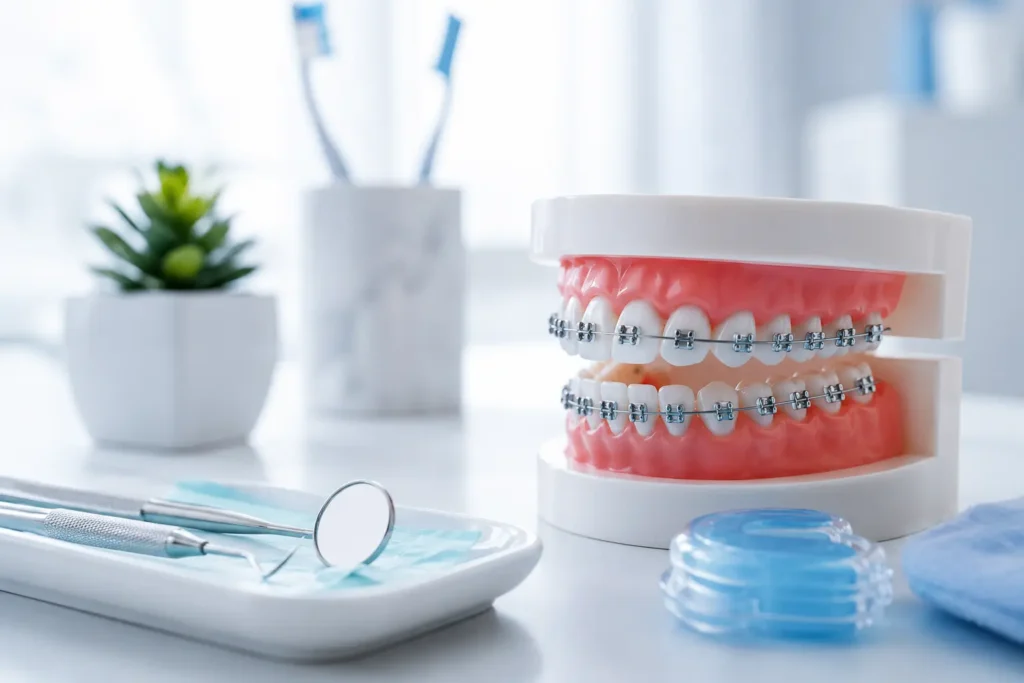
Brackets and wires can also rub against the inside of your cheeks and lips, causing irritation or small sore spots.
You may notice:
How Long Does Braces Pain Last?
Braces pain usually lasts for a few days after they are fitted or adjusted.
The first day or two can feel the most uncomfortable, but the soreness should gradually improve as your mouth adjusts. You may experience some tenderness again after future adjustments, although it often becomes easier to manage as you get used to your braces.
⚠️ Important: If your pain is severe, worsening, or not improving after a few days, contact your orthodontist for advice.
How to Stop Braces Pain
There isn't a way to make braces pain disappear instantly, but you can usually reduce the discomfort quickly.
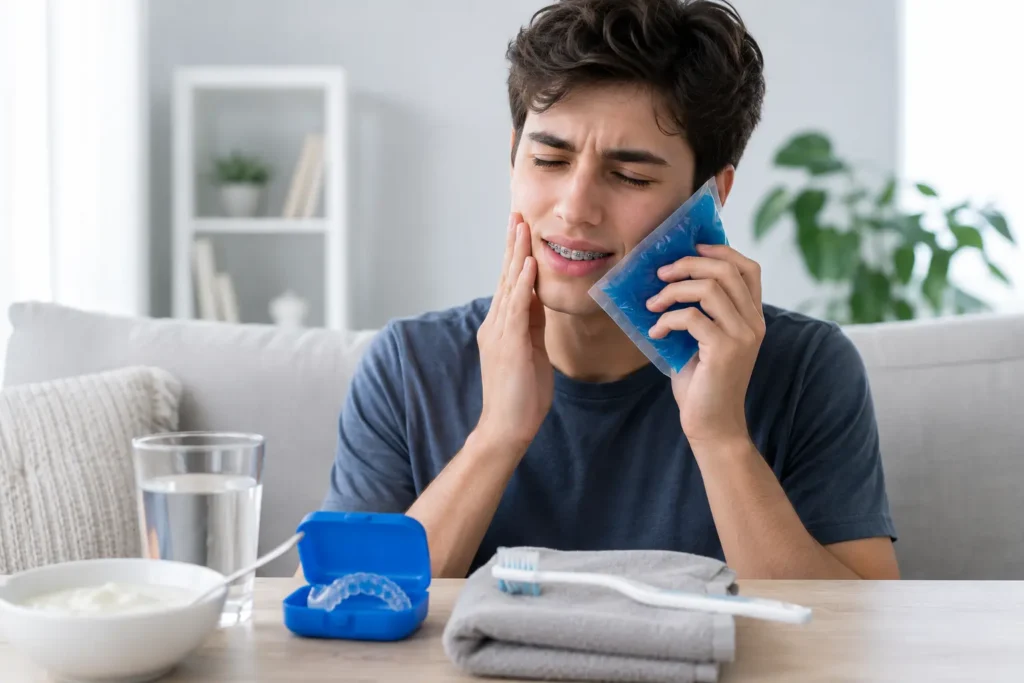
Take Suitable Pain Relief
If your teeth are particularly uncomfortable, an over-the-counter painkiller such as paracetamol may help.
Always follow the instructions on the packaging. If you are unsure whether it is suitable for you, speak to your orthodontist.
Rinse With Warm Salt Water
If your cheeks or gums are irritated, gently rinsing your mouth with warm salt water can help soothe the affected area.
Try Orthodontic Wax
For extra relief from rubbing and irritation, use orthodontic wax, which provides a smooth barrier between your braces and the sensitive areas inside your mouth.
Eat Soft Foods
Choose foods that are easy to chew while your teeth are sore. Good options include:
Avoid hard, crunchy, or sticky foods, particularly after your braces have been fitted or adjusted.
Adjust Your Eating Habits
Try Something Cold
Sipping cold water can have a soothing effect, while a cold compress placed on the outside of your cheek may also help calm the soreness.
Brush Gently With a Soft-Bristled Toothbrush
Use a soft-bristled toothbrush and gentle, circular movements to clean around the brackets and along the gumline without putting too much pressure on your teeth.
Do Braces Hurt Every Time They Are Adjusted?
You may notice some pressure, tenderness, or mild soreness after a braces adjustment. This is a normal part of orthodontic treatment as your teeth gradually respond to the new pressure and continue moving into position.
The best thing is that you have already experienced this type of discomfort when you first got your braces, so you may find it easier to manage each adjustment with a little patience. Any soreness is usually mild and temporary and should settle within a few days.
When Should You Contact Your Orthodontist?
Mild soreness is normal, but you should contact your orthodontist if:
Our orthodontic team can check whether your braces need an adjustment or repair.
Ready to talk about your smile?
Book a no-obligation consultation with our specialist orthodontic team here in Leith, Edinburgh. No referral needed, no pressure, just honest, expert advice tailored to you.
Got Questions?
Frequently asked questions
Written By:
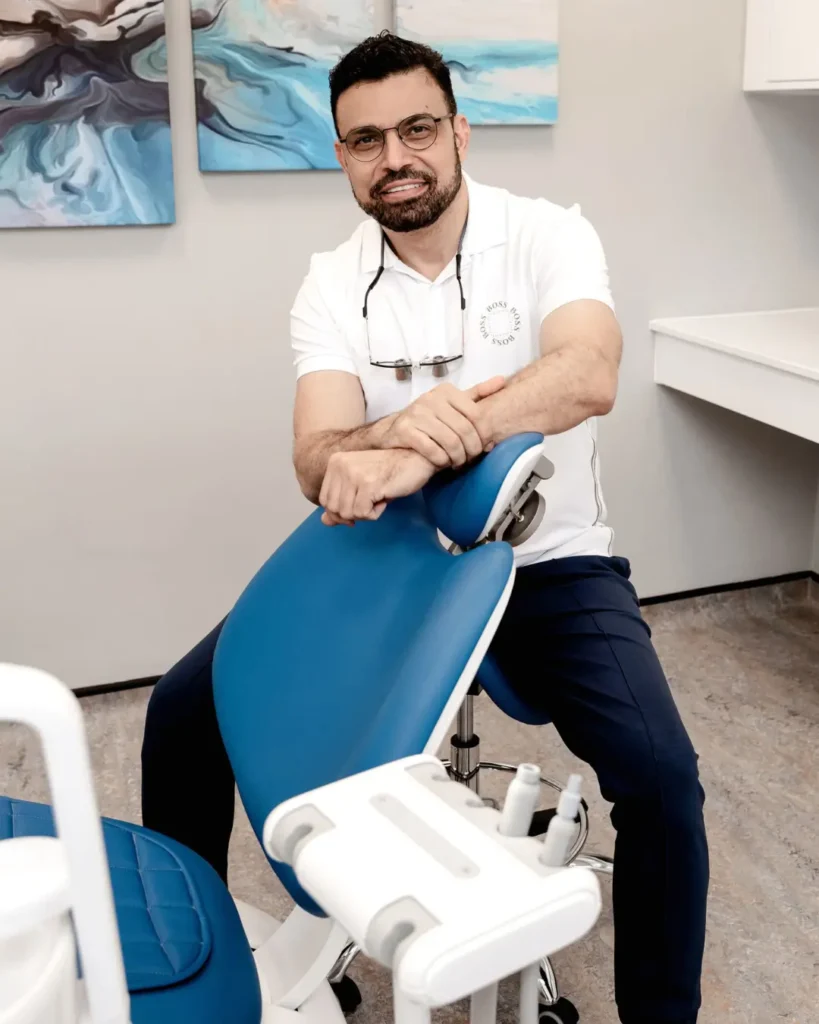
Dr. Mustafa
Dr Mustafa is a GDC-registered specialist orthodontist (No. 105727) with a PhD in orthodontics and over twenty years' experience treating patients across Edinburgh and the Lothians. A multi-award-winning clinician, he's known for straightening teeth without unnecessary extractions and for a calm, honest approach with patients of every age. He leads the specialist team at Ocean Orthodontic Clinic in Leith.
Ready to start your smile journey?
Book a consultation with Dr Mustafa, our GDC-listed specialist orthodontist in Edinburgh.
Book Your Consultation or call 0131 202 4343